
Tokyo's Tsukiji Market
A culinary adventure of fresh seafood, rich history, hidden gems, and unforgettable flavors awaits.
Jason Ruiz
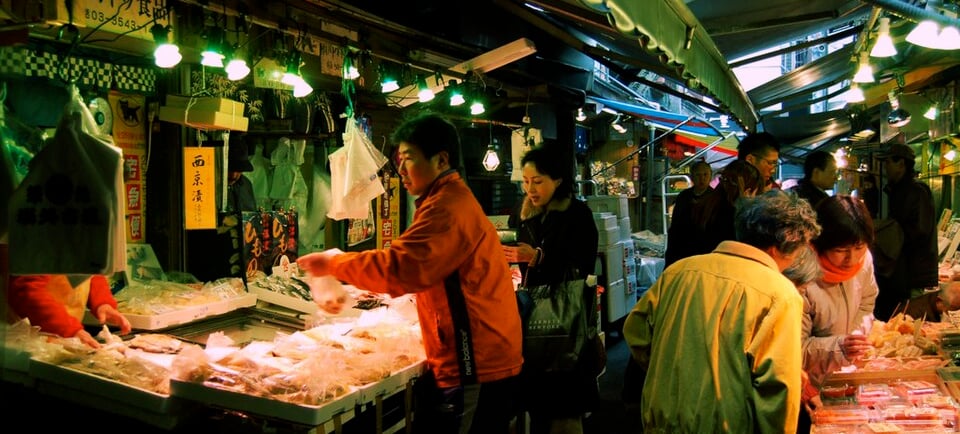
Tokyo’s Tsukiji Market is more than a tourist destination. It’s a culinary experience that immerses you in the colorful food culture of Japan. I knew the story of how the inner market’s fish auction moved three kilometers away to Toyosu in 2018, but that didn’t diminish the appeal of the outer market, which is a mixture of wholesale and retail shops and restaurants. The outer market remains a lively hub for fresh seafood, produce, and prepared foods.
Originally a quiet area of shrines and samurai homes, the land was reclaimed from Tokyo Bay after the Great Fire of Meireki in 1657, creating Tsuki-ji, which literally means “constructed land”. Tsukiji Market officially opened in 1935. The market is now guarded by Namiyoke Inari Jinja (shrine), whose name means “protection from waves.”
In my experience, the outer market was navigable and not overly crowded. I had no trouble walking through the roads and soaking in the atmosphere. They say it’s the best outdoor market to buy fresh seafood and fresh vegetables in the Tokyo area, albeit at tourist prices. That is to be expected given its popularity.
Though Tsukiji Market is famous for its tuna, with over 400 shops and food stalls there's far more to discover than fish alone. I came across Wagyu beef skewers, steamed oysters, squid dumplings, jumbo scallops, Japanese omelet on a stick (tamagoyaki), loaded Inari sushi cones wrapped in fried tofu and stuffed with crab and other seafood, and yakisoba noodles. The market is also where professional chefs purchase ingredients, handmade knives, and other kitchen equipment.
Hungry people from all over the world flowed through the sushi line like a river current. Chefs prepared sushi right in front of salivating customers. I ordered Toro, fatty tuna roll, and chose a variety from ōtoro (most fatty), chūtoro (moderately fatty), and akami (leaner cut). I knew it was going to be a next-level meal when the chef grabbed the blowtorch and seared the tuna fat. In Japan, eating while walking is generally considered bad etiquette because it goes against cultural values of mindfulness, respect for public spaces, and social harmony. Everyone ate in a standing position at the shop for quick service to make room for others.
The market opens around 5 AM and closes by 2 PM. The ideal time to arrive is usually 9 AM. Foot traffic peaks between 10:30 AM and noon, when the market is alive with energy and flavors. I recommend using public transportation; parking is limited. The best way to get to Tsukiji Market by train is to take the Tokyo Metro Hibiya Line to Tsukiji Station or the Toei Oedo Line to Tsukiji Shijo Station, both of which put you within a 3‑minute walk of the market.
If you’re looking for something that most tourists overlook, don’t miss the Tsukiji-Uogashi BBQ Terrace at the 3-story Tsukiji Uogashi Kaikoubashi Building. The concept is simple and brilliant: browse the market below, pick out your seafood, A5 Wagyu beef, then head up to the 3rd-floor rooftop terrace and grill it yourself over a charcoal BBQ. The tables come equipped with grilling tools and seasonings like salt, pepper, soy sauce, and wasabi. It’s one of the few places in Tokyo where you can grill live scallops and fresh tuna with an open-air view of the market buzzing below you and Japan’s rising sun above.
I can confidently say my experience at Tsukiji was oishii! Arigatou gozaimashita.